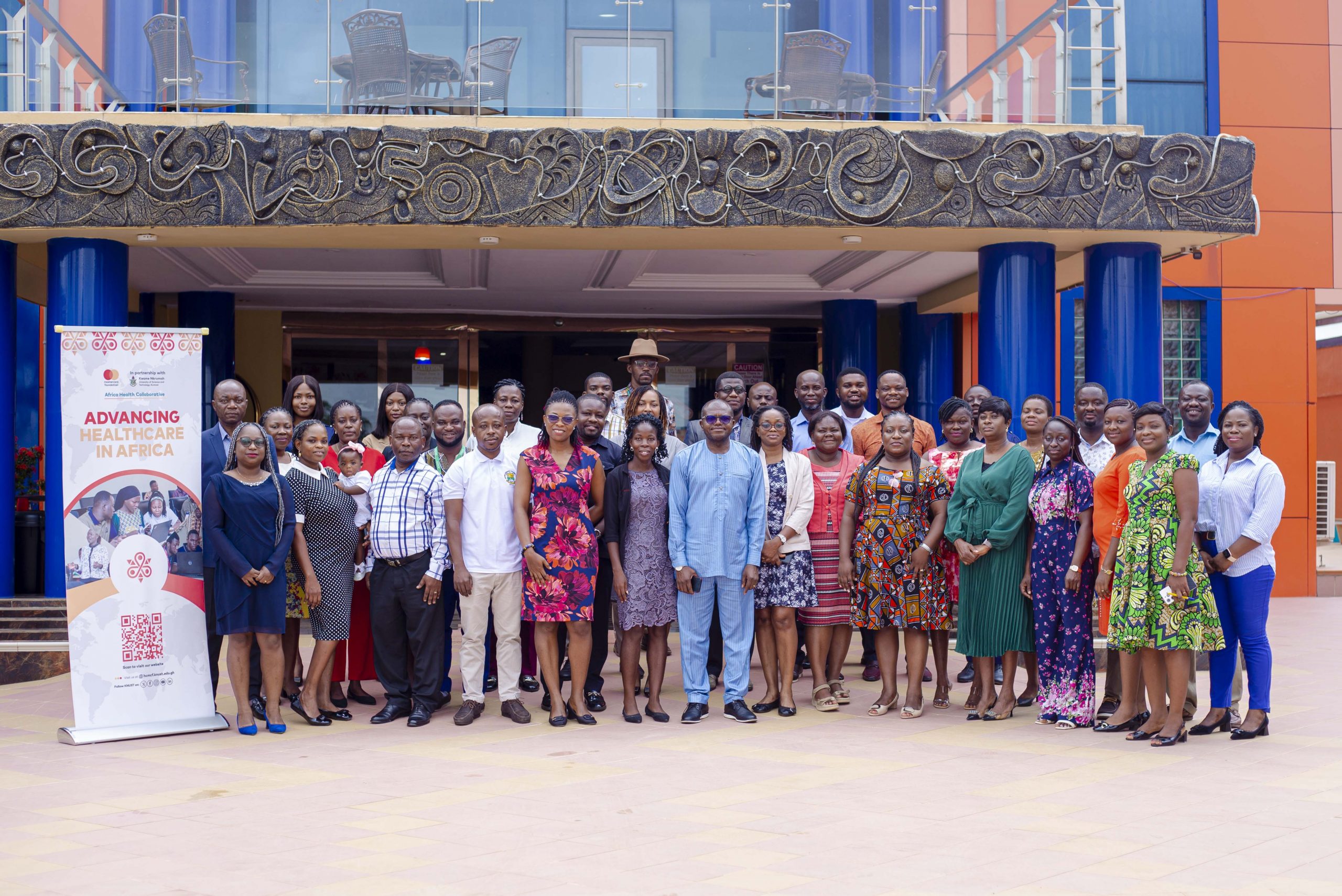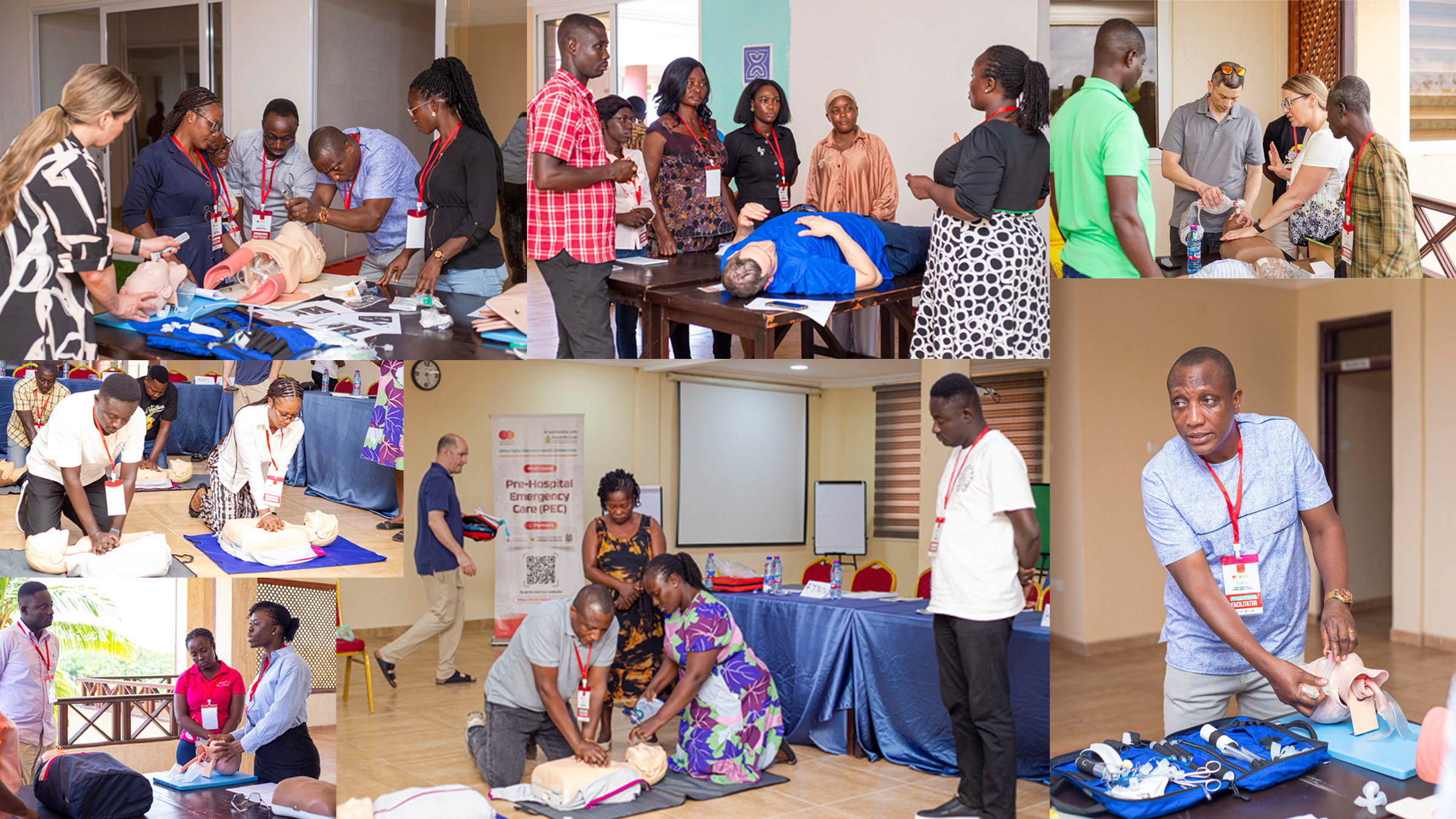

For three intensive days, frontline health professionals from across Ghana gathered at Nyansapo Eco Resort in Moree, Central Region, to participate in the Pre-Hospital Emergency Care Short Course, a collaborative initiative by the Africa Health Collaborative-KNUST, in partnership with the Mastercard Foundation and the University of Toronto.
Now in its third phase, the programme is designed as a hands-on training to equip participants with critical skills to manage emergencies long before patients reach the hospital.
From helplessness to confidence
Among the attendees was Joyce Nkrumah, a nurse from Saltpond Hospital in the Central Region.

“In my area, we lack the knowledge to care for patients in pre-emergency situations,â€Â she admitted. Joyce recalled a harrowing drowning case where her team’s limited understanding of choking left them no choice but to refer the patient elsewhere.
“Now, I know what to do. The training was excellent; I can manage cases I once felt powerless in.â€
A call to action
Emmanuel Ellonye, an emergency nurse, believes the course was more than skill refinement, it was also a mandate to empower others.

“Emergency care is a day-to-day necessity,â€Â he emphasized. “The sessions were practical and eye-opening. I’m not just confident at the hospital now; I’ll train my church and community to act before ambulances arrive.â€
Breaking the “hospital-centric” mindset
Mohammed Alidu, head nurse at SDA Hospital in Tamale, stressed a paradigm shift: “Emergency care doesn’t begin at the hospital. We forget that.â€
Motivated by the training, he plans a social media series to educate his community, where motorbike crashes are frequent.

“Once, I saw people arguing over blame after an accident instead of helping. I intervened. This training showed me why early response saves lives.â€

Skills that transform
Participant Musah Fuseina praised the “well-structuredâ€Â curriculum, particularly CPR and trauma management. “Controlling bleeding and airway obstruction were turning points. Now, I can stabilize spinal injuries.â€Â Like her peers, Musah aims to cascade this knowledge, training local health workers at community events.
Facilitators who made the difference
The facilitators earned universal acclaim for their hands-on approach. “They used real-life scenarios and ensured everyone grasped the techniques,â€Â Mohammed noted. Participants now advocate for extended sessions and advanced follow-ups, echoing Emmanuel’s resolve: “Every second counts. I’ll join any emergency training to learn more.â€